The idea
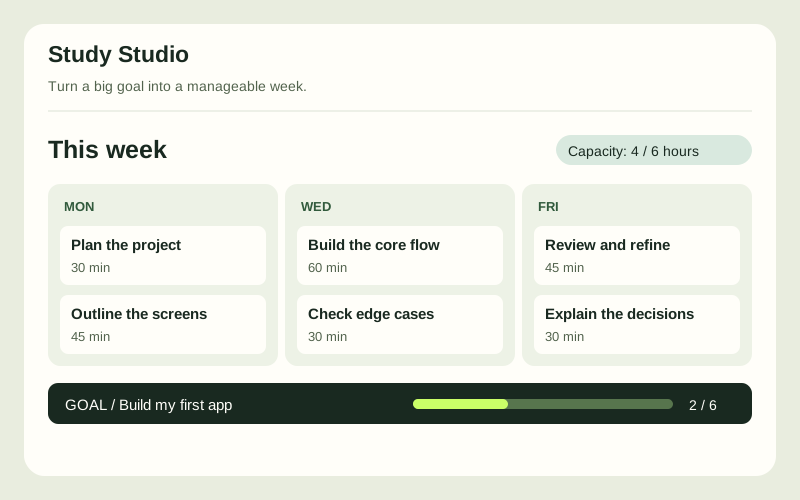
Help a learner turn a large goal into a realistic week of work. This capstone includes defining the problem, deciding what to leave out and explaining how testing changed the design.
See this learning levelWhat you will build
- Goals containing editable tasks with estimates, due dates, priorities and completion status.
- A weekly plan that compares scheduled work with the learner's chosen available time.
- A progress review, local persistence and undo for accidental deletion.
How it fits together
Separate goal/task data, scheduling calculations, storage and interface components. Use stable IDs and validate edits at the data boundary. Keep dates in a consistent local-date format and document how overdue work carries into the next week.
Build milestones
Scope the product
Write a learner scenario, sketch the main journey and choose a small first release. Keep accounts, calendars and remote services outside the initial scope.
Build a complete slice
Create a goal, add tasks, schedule them and mark one complete. Connect the whole journey before adding optional views.
Handle real use
Add edits, capacity warnings, persistence, empty states and undo. Explain data storage and provide a deliberate reset.
Test and present
Observe someone planning a sample week, fix the confusing steps and present the architecture, test evidence and AI-assisted decisions.
How you will know it works
- Editing estimates or moving tasks updates weekly totals without duplicating work.
- Invalid dates and negative estimates are rejected with helpful feedback.
- Reload restores the plan; delete and undo preserve task details and relationships.
What you will finish with
A browser app using fictional sample tasks, a product brief, architecture sketch, test report and development reflection.
Take it further
Add a review comparing estimated and actual effort without turning completion into a judgement of the learner.